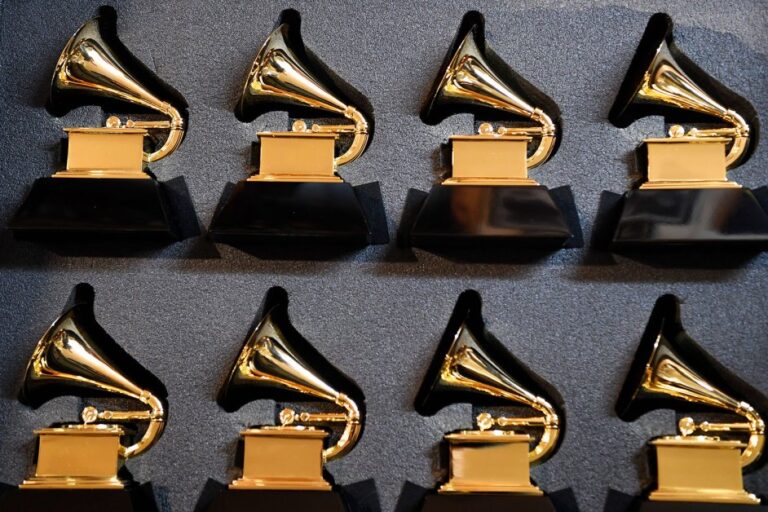

How do grammy winners get chosen?
How Do Grammy Winners Get Chosen? A Complete Behind-the-Scenes Guide to the Recording Academy Voting Process
The Grammy Awards are widely considered the highest honor in the music industry. When an artist wins a Grammy, it often marks a defining moment in their career. But behind the glamour of the red carpet, the performances, and the golden gramophone trophy lies a highly structured, carefully monitored, and often misunderstood selection and voting system.
Many fans believe Grammy winners are picked based on popularity, sales, or streaming numbers. Others assume it is controlled by industry elites or major labels. The truth is far more complex, procedural, and regulated.
This guide explains in clear detail how Grammy winners are actually chosen, who is allowed to vote, how songs and albums become eligible, what role committees play, and how the final winner emerges from thousands of submissions.
If you have ever wondered why certain artists win while others do not, this article will give you the full picture.
Table of Contents
- What Are the Grammy Awards?
- Who Runs the Grammy Awards?
- Grammy Eligibility Rules
- How Music Is Submitted for Grammy Consideration
- The Screening Process
- Understanding Grammy Categories
- Who Votes for Grammy Winners?
- First Round Voting Explained
- The Role of Review Committees
- Final Round Voting Process
- How Winners Are Determined
- Why Popular Songs Sometimes Don’t Win
- The Difference Between General and Genre Categories
- Grammy Voting Limits and Ethics
- Transparency and Reforms in Recent Years
- Common Myths About Grammy Winners
- Case Studies of Controversial Grammy Wins
- How Independent Artists Can Compete
- The Impact of a Grammy Win on an Artist’s Career
- Frequently Asked Questions
1. What Are the Grammy Awards?
The Grammy Awards recognize outstanding achievement in the music industry across a wide range of genres and technical fields. They celebrate artistic excellence rather than commercial success.
The awards cover:
- Songwriting
- Production
- Engineering
- Performance
- Album creation
- Technical contributions
Unlike fan-voted awards, the Grammys are decided by music professionals.
2. Who Runs the Grammy Awards?
The Grammy Awards are organized by The Recording Academy (formerly the National Academy of Recording Arts and Sciences).
The Recording Academy is a professional organization made up of:
- Artists
- Producers
- Songwriters
- Engineers
- Industry professionals
Only members of this Academy can vote for Grammy winners.
This is a crucial point: fans, record labels, and the public do not vote.
3. Grammy Eligibility Rules
Not every song or album released in a year can qualify.
To be eligible:
- The music must be commercially released within the Grammy eligibility period (usually October to September).
- It must be available to the public through streaming, sales, or physical release.
- It must meet minimum length requirements (for albums and EPs).
- It must be newly recorded material (reissues don’t count).
This prevents older works from competing unfairly.
4. How Music Is Submitted for Grammy Consideration
Artists do not automatically get considered.
Music must be officially submitted by:
- Record labels
- Independent artists
- Managers
- Distributors
- Academy members
Each submission is entered into specific categories based on genre and type of work.
For example:
- A song can be submitted for Song of the Year, Record of the Year, and Best R&B Song.
- An album may be submitted for Album of the Year and Best Afrobeats Album.
5. The Screening Process
After submissions, expert committees review every entry.
This stage is called screening, and it ensures:
- Songs are placed in the correct categories
- Rules are followed
- No submission is miscategorized for advantage
These committees do not choose winners. They only verify placement.
6. Understanding Grammy Categories
The Grammys have over 90 categories, including:
General Field (Big Four)
- Album of the Year
- Record of the Year
- Song of the Year
- Best New Artist
Genre Categories
- Pop
- R&B
- Rap
- Rock
- Jazz
- Gospel
- Afrobeats
- World Music
- Country
- Dance/Electronic
- Reggae
- Latin
And many technical categories like:
- Best Engineered Album
- Best Producer
- Best Arrangement
7. Who Votes for Grammy Winners?
Voting members are professionals with proven experience in music.
To qualify as a voting member, you must:
- Have music credits
- Be verified by the Academy
- Meet professional requirements
This ensures that Grammy winners are selected by people who understand music deeply.
8. First Round Voting Explained
After screening, voting members receive a ballot.
They can vote in:
- The 4 General categories
- Up to 10 genre categories within their expertise
They cannot vote in every category to prevent bias.
This round determines the nominees.
9. The Role of Review Committees
In the past, secret committees influenced nominations. This led to controversies.
In recent reforms, the Recording Academy reduced this influence to increase transparency.
Today, most nominations come directly from member votes.
10. Final Round Voting Process
After nominees are announced, members vote again.
This time, they choose winners from the shortlist of nominees.
This is the decisive vote.
11. How Winners Are Determined
The votes are counted by an independent accounting firm (historically Deloitte).
The nominee with the highest number of votes wins.
No human decides the winner after voting.
12. Why Popular Songs Sometimes Don’t Win
Streaming numbers and popularity do not guarantee a Grammy.
Members vote based on:
- Artistic quality
- Songwriting
- Production
- Impact
- Musical excellence
This is why critically acclaimed songs sometimes beat chart-topping hits.
13. General vs Genre Categories
General categories are open to all genres.
Genre categories are specific.
An Afrobeats song can win Best Global Music Performance but still compete for Record of the Year.
14. Grammy Voting Limits and Ethics
Members must follow strict ethical rules:
- No campaigning
- No bribery
- No lobbying voters
Violations can lead to disqualification.
15. Transparency and Reforms
After criticism, the Academy introduced reforms:
- Reduced committee influence
- Clearer voting guidelines
- Increased diversity in membership
16. Common Myths About Grammy Winners
Myth: Fans vote for Grammys
Truth: Only Academy members vote
Myth: Sales determine winners
Truth: Artistic merit is key
Myth: Major labels control results
Truth: Independent artists win regularly
17. Case Studies of Controversial Grammy Wins
Over the years, some wins surprised fans. These cases often highlight the difference between public opinion and professional evaluation.
They also show how the Academy values craftsmanship over hype.
18. How Independent Artists Can Compete
Independent artists can:
- Join the Academy
- Submit their work
- Be nominated and win
Many indie artists have won Grammys without major label backing.
19. The Impact of a Grammy Win
Winning a Grammy can:
- Increase streams
- Boost career credibility
- Open international opportunities
- Raise booking fees
- Improve media visibility
20. Frequently Asked Questions (FAQ)
Do fans vote for Grammy winners?
No. Only Recording Academy members vote.
Can an independent artist win a Grammy?
Yes. Many have done so.
Are Grammy winners chosen based on popularity?
No. They are chosen based on artistic merit.
Who counts the votes?
An independent accounting firm ensures fairness.
How are songs nominated?
Through first round voting by Academy members.
Can artists campaign for votes?
No. This is against Grammy rules.
How many people vote?
Thousands of music professionals worldwide.
What is the difference between Song of the Year and Record of the Year?
Song of the Year rewards songwriting. Record of the Year rewards performance and production.
Conclusion
Grammy winners are not chosen by popularity, hype, or public opinion. They are selected through a detailed, multi-stage process involving professional screening, expert voting, and strict ethical guidelines.
Understanding this process reveals why Grammy wins carry so much weight. They represent recognition from peers, not fans.
The next time you watch the Grammy Awards and see an artist accept that golden trophy, you will know exactly what it took to get there.
It is not luck.
It is not politics.
It is a structured system built to honor musical excellence.