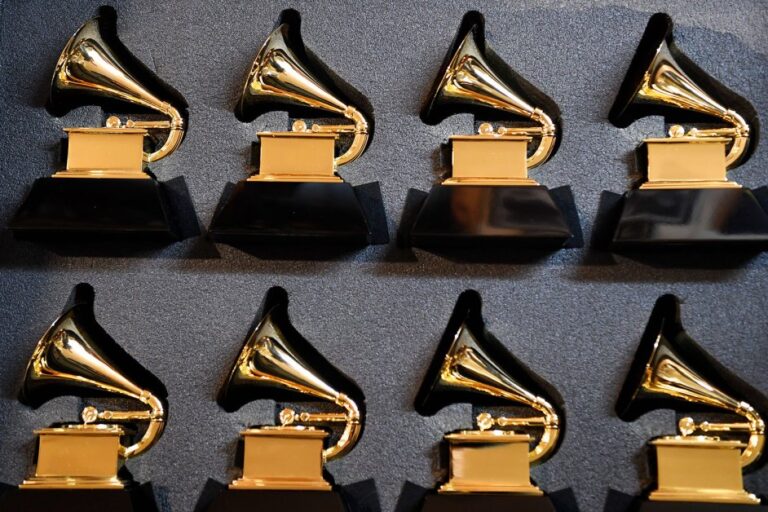

How Do Grammy Nominations Work? A Comprehensive Guide
How do grammy nominations work?
Introduction
The Grammy Awards, often dubbed “Music’s Biggest Night,” represent the pinnacle of achievement in the recording industry. Every year, artists from around the world vie for these coveted golden gramophones, but the path to a nomination is shrouded in mystery for many. If you’ve ever wondered, “How do Grammy nominations work?” you’re not alone. This process involves a intricate blend of submissions, screenings, peer voting, and expert reviews, all overseen by the Recording Academy.
Established in 1957 as the National Academy of Recording Arts & Sciences (NARAS), the Recording Academy has evolved into a membership-based organization dedicated to honoring musical excellence. The Grammys first took place in 1959, awarding 28 categories, and have since expanded to 96 categories as of the 2026 ceremony. 30 This growth reflects the ever-changing landscape of music, incorporating new genres and technologies while maintaining a focus on artistic merit.
Understanding how Grammy nominations function is crucial not just for aspiring musicians but also for fans who want to appreciate the behind-the-scenes efforts. The process ensures that only the most deserving works rise to the top, voted on by industry peers. It’s a system designed to be fair, though not without its controversies and evolutions over the decades.
In this extensive blog post, we’ll delve deep into every aspect of the Grammy nominations process. From eligibility requirements to the final voting round, we’ll cover it all. We’ll explore the history, the key players involved, step-by-step breakdowns, real-world examples, and even address common misconceptions. By the end, you’ll have a thorough grasp of how an artist’s work transforms from a studio creation to a potential Grammy nominee.
Whether you’re an independent artist dreaming of your first nod or a music enthusiast curious about the mechanics, this guide aims to demystify the process. Let’s start by tracing the roots of the Grammys and how the nomination system has developed over time.
The History of the Grammy Awards and Nominations Process
The Grammy Awards have a rich history that dates back to the late 1950s, born out of a desire to recognize excellence in the recording arts and sciences. The idea originated in 1957 when a group of music executives in Los Angeles formed the National Academy of Recording Arts & Sciences. Inspired by the Hollywood Walk of Fame project, they sought to create a similar honor for musicians, producers, and engineers. 23
The inaugural Grammy Awards ceremony was held on May 4, 1959, in Los Angeles and New York City simultaneously. It honored recordings from 1958 across 28 categories, with winners like Henry Mancini for “The Music from Peter Gunn” taking home Album of the Year. Back then, the nomination process was simpler: Members submitted entries, and a panel of experts reviewed them before voting. 21
Over the decades, the process has undergone significant transformations to adapt to the music industry’s growth. In the 1960s and 1970s, as rock, pop, and R&B genres exploded, new categories were added, such as Best Rock & Roll Recording in 1960. The 1980s saw the introduction of video categories, reflecting the MTV era.
A major overhaul came in 2011 when the Recording Academy restructured categories, reducing them from 109 to 78 to streamline the process and eliminate redundancies. 24 This was part of a comprehensive evaluation initiated in 2009, led by the Awards & Nominations Committee. The changes aimed to make the awards more inclusive and reflective of contemporary music.
In 2016, further adjustments were made to the voting and awarding process, including updates to eligibility periods and category definitions. 30 For instance, the eligibility window was standardized to run from October 1 of the previous year to September 30 of the current year, ensuring timely recognition.
Controversies have also shaped the process. In the 1990s, criticisms arose over genre biases, leading to the creation of more specialized fields. The 2020s brought discussions on diversity, prompting the Academy to expand membership and revise rules for categories like Best New Artist, which now emphasizes “breakthrough or prominence” rather than strict debut criteria. 8
Today, the nominations process involves over 13,000 voting members worldwide, with entries screened by more than 350 experts. 20 This evolution ensures the Grammys remain relevant, honoring everything from classical compositions to viral TikTok hits. Understanding this history provides context for the current system, highlighting how it balances tradition with innovation.
The Recording Academy’s commitment to evolution is evident in ongoing reviews. For example, in recent years, they’ve incorporated streaming metrics into eligibility, acknowledging the shift from physical sales to digital consumption. This adaptability has kept the Grammys as the gold standard in music awards.
As we move forward, let’s examine the organization behind it all: the Recording Academy.
Who Runs the Grammys? The Role of the Recording Academy
At the heart of the Grammy Awards is the Recording Academy, a nonprofit organization founded in 1957. Comprising over 25,000 members, including voting and professional members, the Academy is responsible for the entire awards process, from submissions to the televised ceremony. 0
Membership is open to U.S.-based music professionals with credits on commercially released recordings. To become a voting member, applicants must demonstrate involvement in the creative or technical aspects of recording, such as performing, producing, engineering, or songwriting. They need endorsements from two current members and must pay annual dues of $100. 29 Recent nominees within the last five years may also qualify.
The Academy is structured with 12 chapters across major U.S. cities, each representing regional music communities. Governance comes from a Board of Trustees, elected by members, who oversee policies and changes to the awards process.
The Awards & Nominations Committee plays a pivotal role, reviewing categories and proposing updates. For instance, they led the 2011 category restructuring and continue to evaluate the process annually. 24
Beyond awards, the Academy advocates for music creators through initiatives like MusiCares for health and welfare support and Grammy U for emerging talent. This holistic approach underscores their mission to celebrate and protect the music profession.
Voting members are